
CreatBot 3D Printing PEEK Medical Implantation
CreatBot medical grade PEEK hard tissue regeneration (HTR) prosthesis for cranioplasty and osteogenesis are authenticated by FDA, USP, ISO, etc, which has good biocompatibility, wear resistance and stable chemical properties, can be disinfected with high temperature steam or gamma radiation. Since the first cranial implantation in 2016, there have been no negative effects such as rejection and infection. Up to now (2026), more than 220 cases of medical cases have been realized, and more than 200 cases of PEEK implants have been achieved, all of which have performed well and are favored by various international medical groups. Many thanks to professors from Johns Hopkins University (the highest institution in the world of medical science), who provide us with unparalleled technical support and case feedback, making the use of CreatBot 3D printers smooth and successful. Now more and more international medical teams join the CreatBot 3D printing PEEK solution.
Contact us
Cranium Cheekbone

Os Lacrimale Cheekbone

Os Lacrimale Cheekbone

Cranium Implant

Lower Jawbone

Parietal Bone

Humerus Upper Jawbone

Cranium

Lower Jawbone

Lower Jawbone
Cranium & Cheekbone PEEK Implant
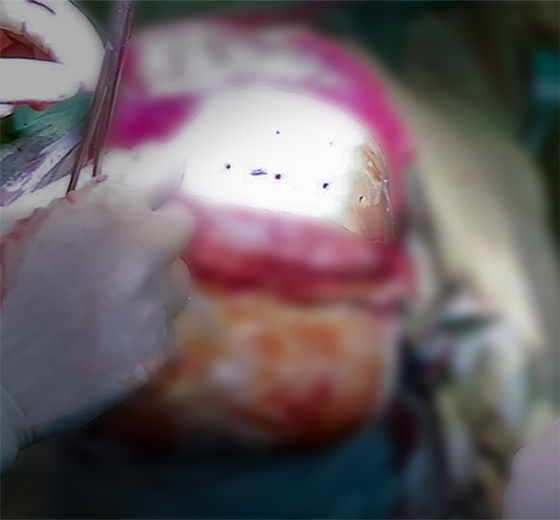
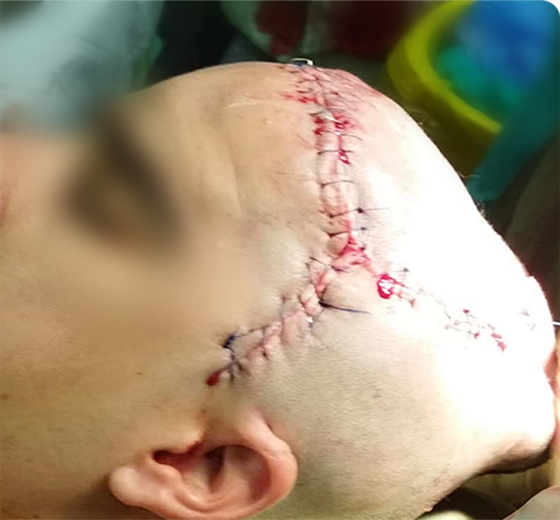
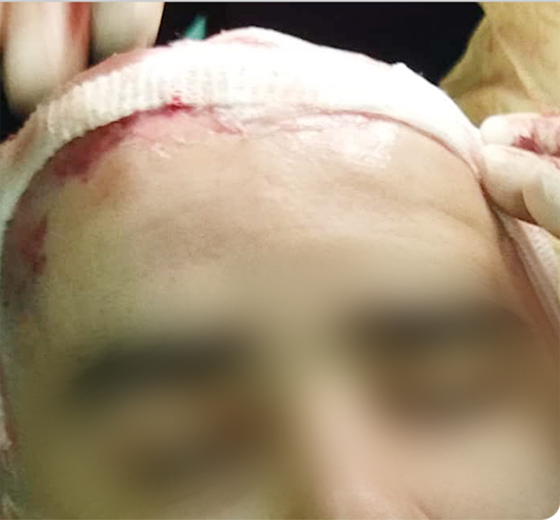
Designed for patients with extensive cranium and cheekbone defects, each PEEK implant is custom-built from CT/MRI scan data. Made from biocompatible medical-grade PEEK via 3D printing, it delivers excellent mechanical strength and bone integration, enabling precise anatomical reconstruction that restores facial contour and protects intracranial tissue.
Os Lacrimale & Cheekbone PEEK Implant
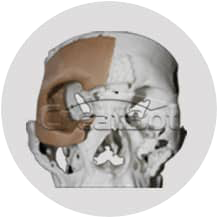
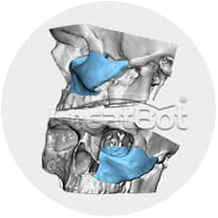
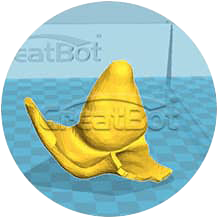
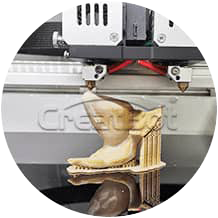
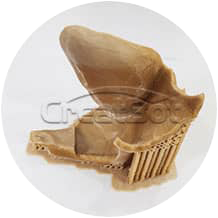
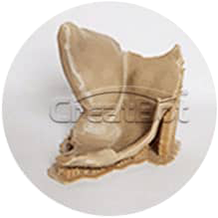
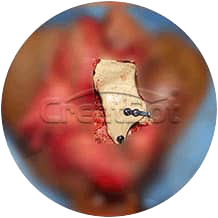
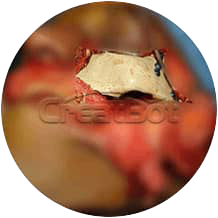
This module presents the full clinical workflow of os lacrimale and cheekbone PEEK implantation: from CT imaging and sample verification, personalized prosthesis design and modeling based on 3D reconstruction, to 3D printing with PEEK material, annealing, disinfection and polishing. Every step follows strict medical-grade quality control to ensure a precise fit and safe implantation.
All PEEK Medical Implantation Cases Are Realized by CreatBot PEEK Series 3D Printers
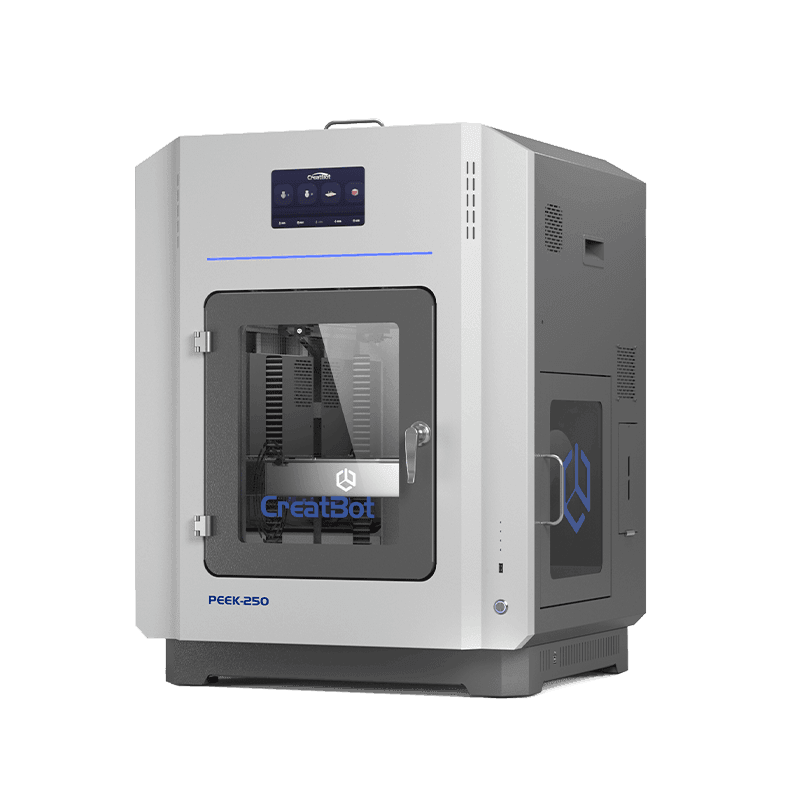
PEEK-250
Best Value for Money
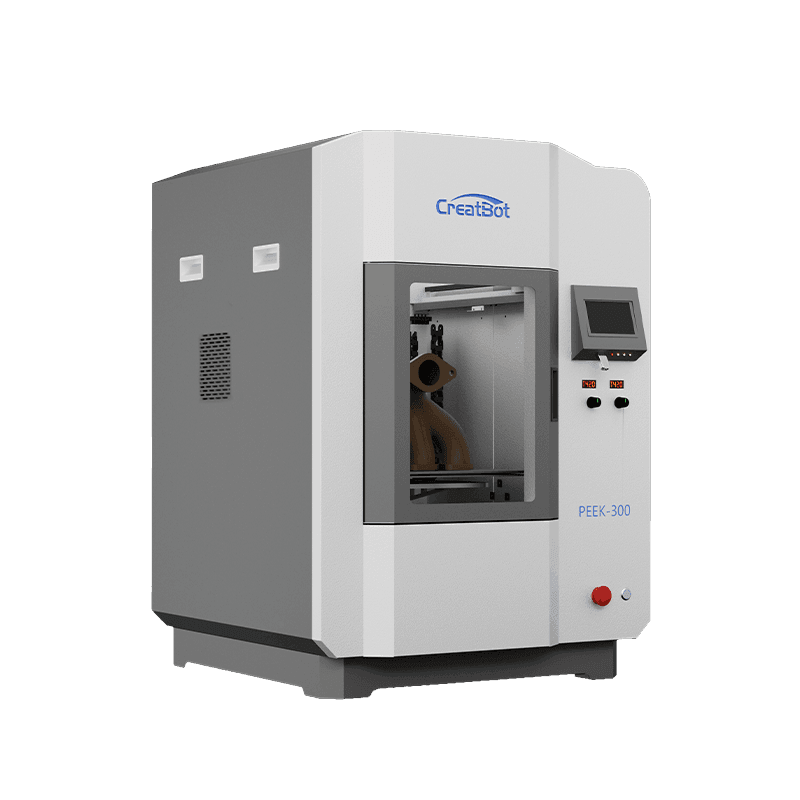
PEEK-300
Performance and Capacity Upgrade Choice
Build Volume: 300×300×400mm
Os Lacrimale & Cheekbone PEEK Implant
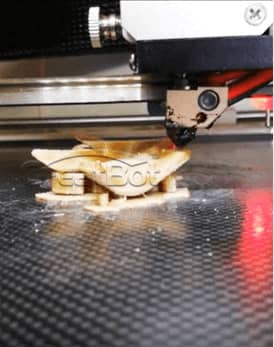
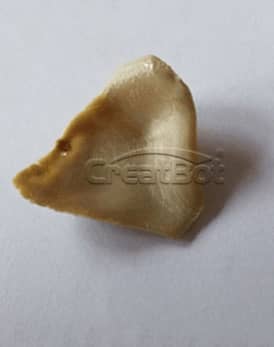
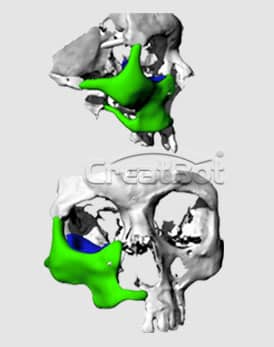
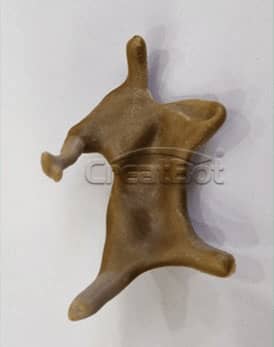
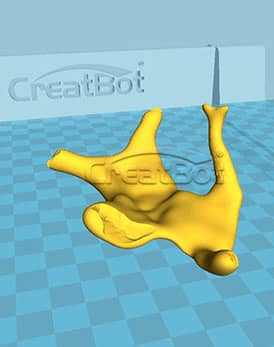
Additional clinical cases of PEEK implants in the os lacrimale and cheekbone region. Each implant is customized to the patient's facial anatomy and 3D printed in one piece, restoring the orbital and cheekbone support while closely reproducing the natural facial contour. Post-operative results are stable and long-lasting with high patient satisfaction.
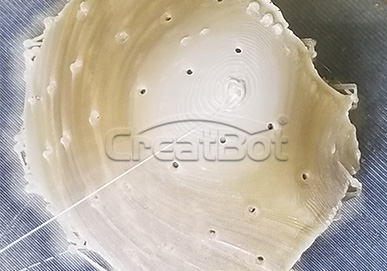
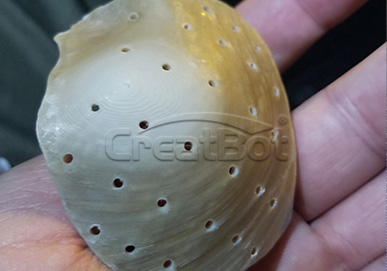
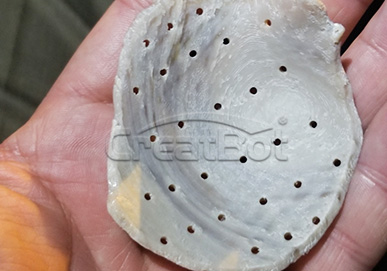
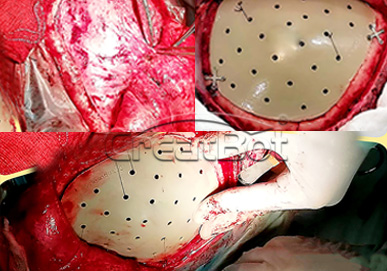
PEEK Cranium Implant
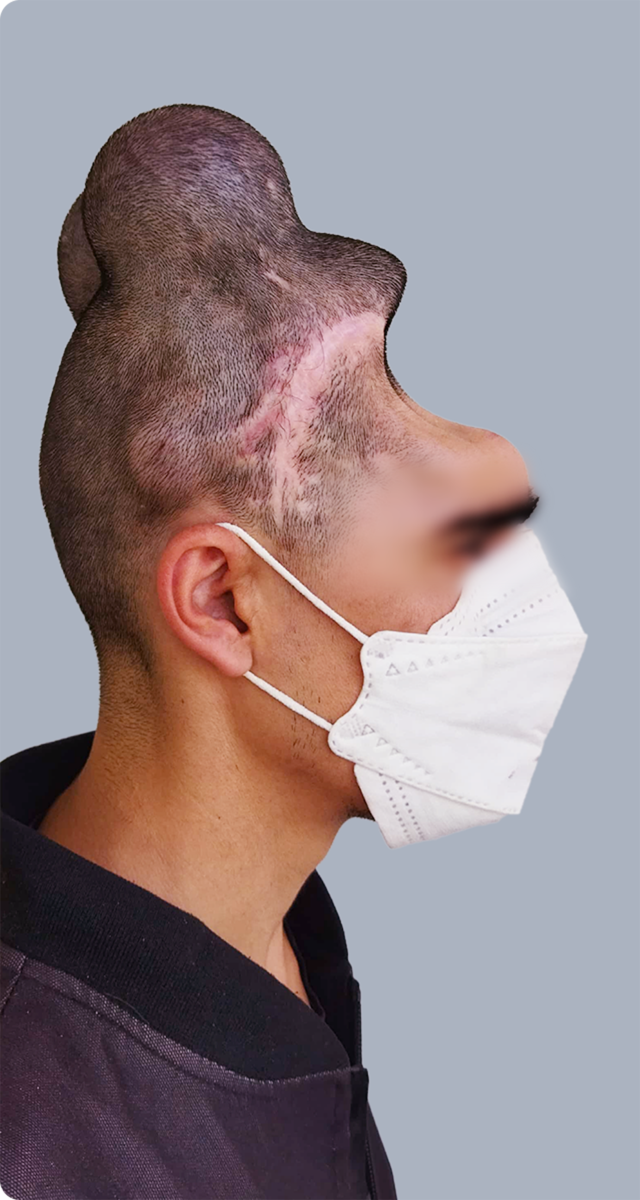
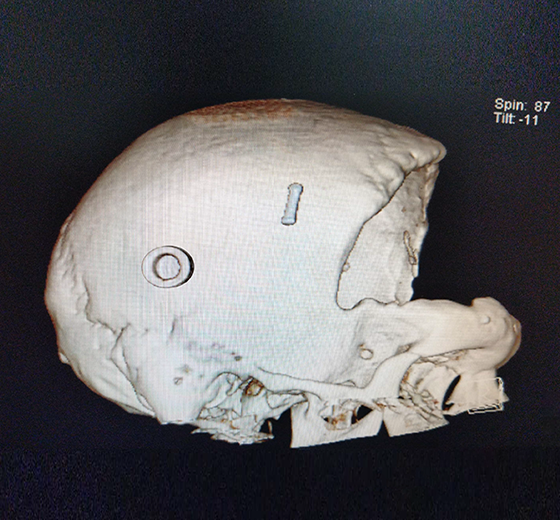
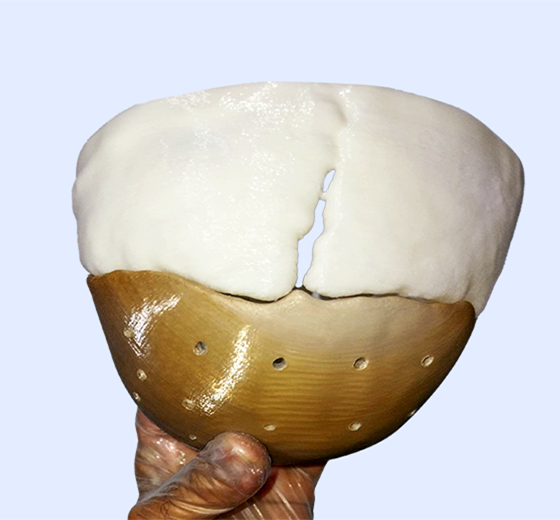
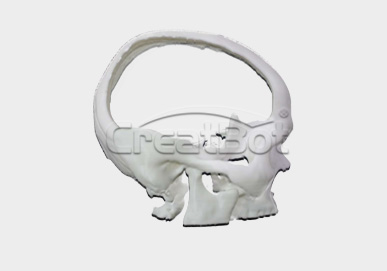
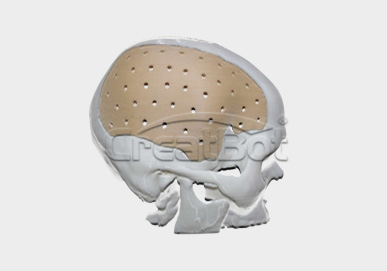
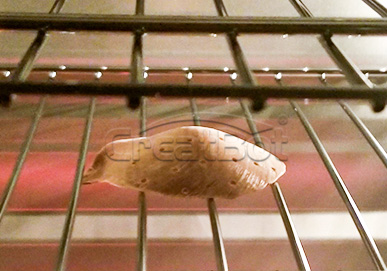
PEEK cranium implants repair cranial defects caused by trauma, tumor resection and other conditions. 3D printed from medical-grade PEEK, they feature an elastic modulus close to autogenous bone, excellent biocompatibility, and can be sterilized with high-temperature steam or gamma radiation. Custom 3D design ensures a precise fit with the defect margins, protecting intracranial tissue and restoring the natural skull shape.
Get the PEEK Implant Case Whitepaper
Get It NowLower Jawbone PEEK Implant
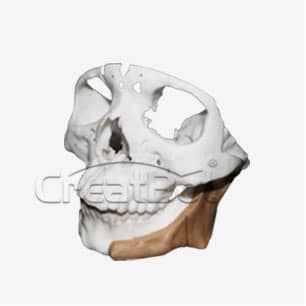
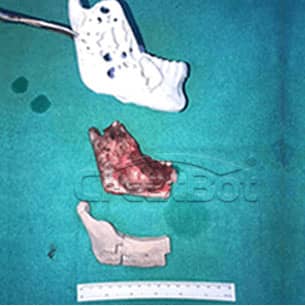
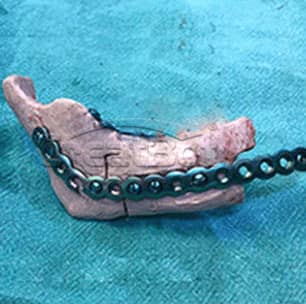
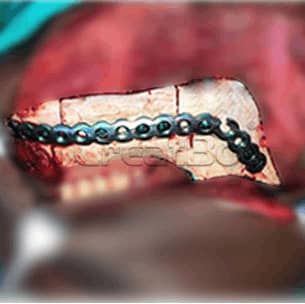
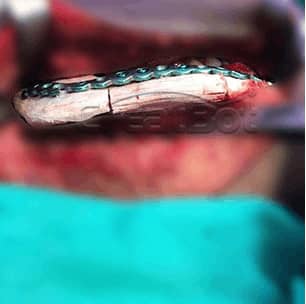
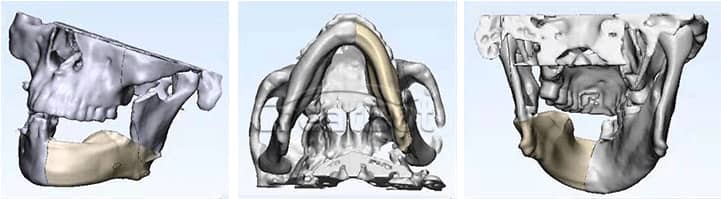
Mandible PEEK reconstruction uses a patient-specific approach: a 3D mandible model is rebuilt from CT data, and a PEEK implant highly matched to the patient's anatomy is designed and 3D printed. The solution restores mandible continuity, occlusal function and the lower third of the facial profile, while the biocompatible material guarantees long-term implantation safety.
Parietal Bone PEEK Implant
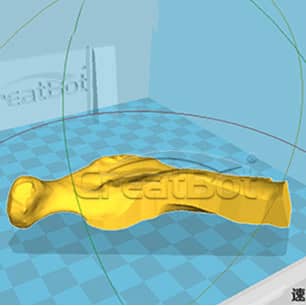
Parietal bone PEEK implants are designed for parietal defects, with 3D printing producing a personalized prosthesis that precisely matches the defect area. The implant offers excellent biocompatibility and long-term mechanical stability, withstands high-temperature sterilization, and effectively protects brain tissue while restoring skull integrity and symmetry.
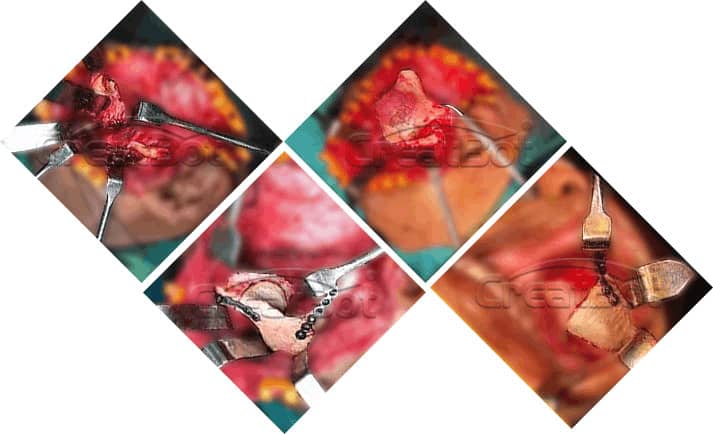
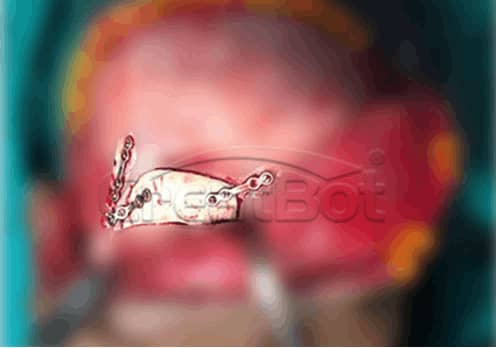
Brow Ridge PEEK Implant
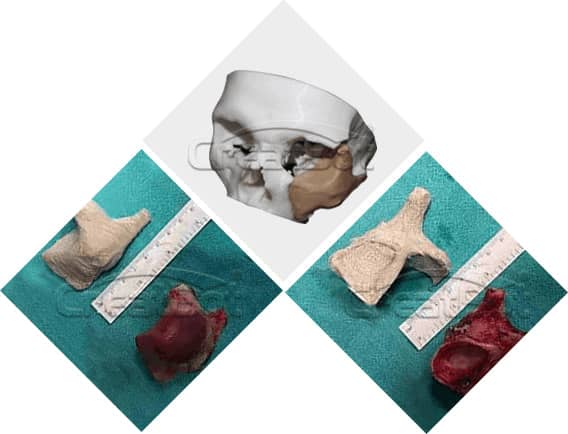
The brow ridge and eye socket region is anatomically complex and aesthetically demanding. This solution uses patient-specific PEEK implants, finely designed according to facial symmetry and bone anatomy, and precisely formed by 3D printing. It repairs bone defects while restoring the natural brow arch and orbital contour, balancing functional reconstruction with aesthetic results.
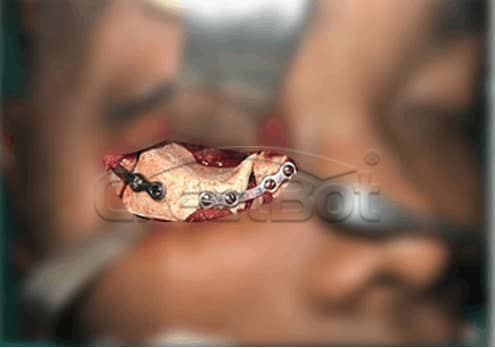
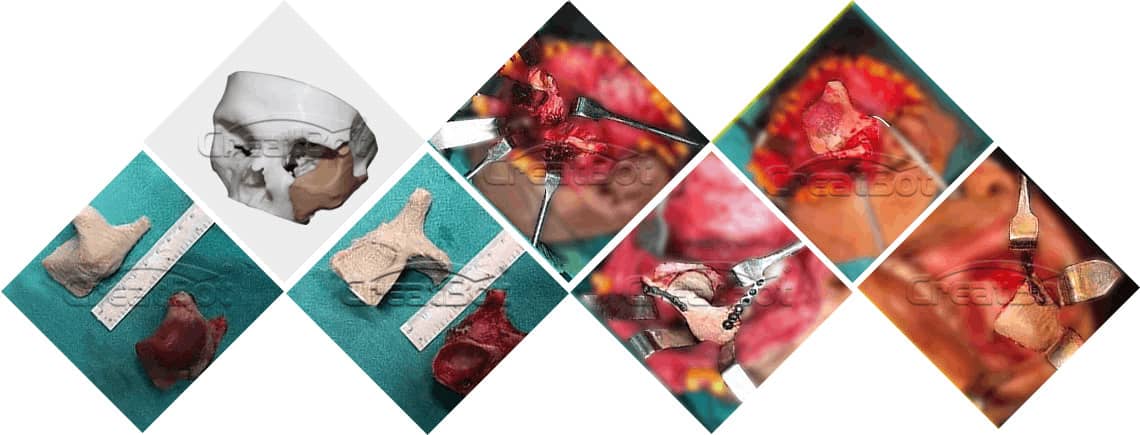
Humerus & Upper Jawbone PEEK Implant
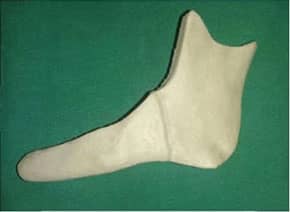
For complex defects in the humerus and upper jawbone, implants are custom-designed from the patient's individual anatomical data and 3D printed in one piece from medical-grade PEEK. Excellent mechanical properties meet load-bearing needs, while superior biocompatibility promotes tissue healing, helping patients regain limb function and normal facial morphology.
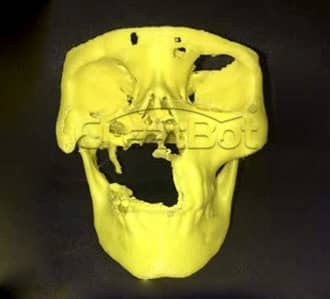
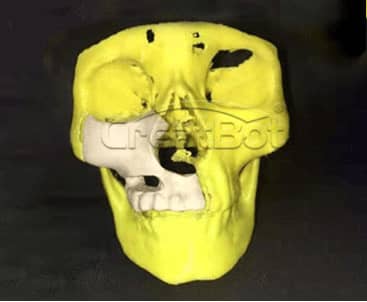
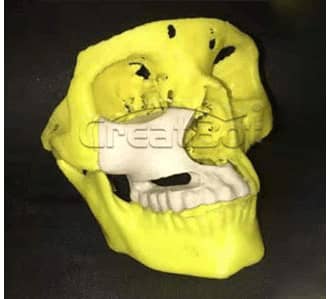
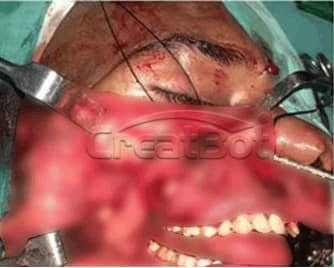
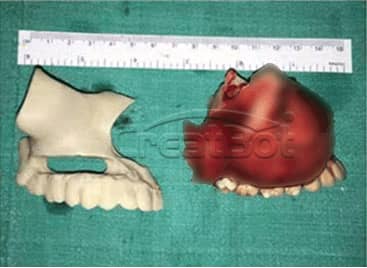
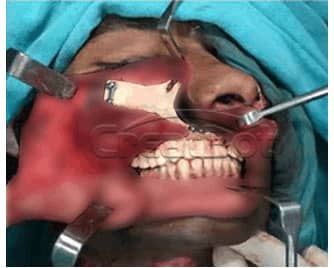
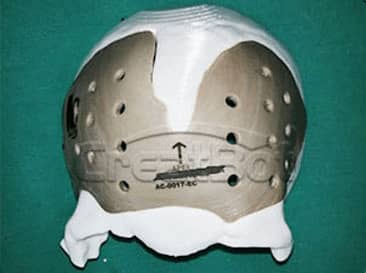
Cranium PEEK Implant
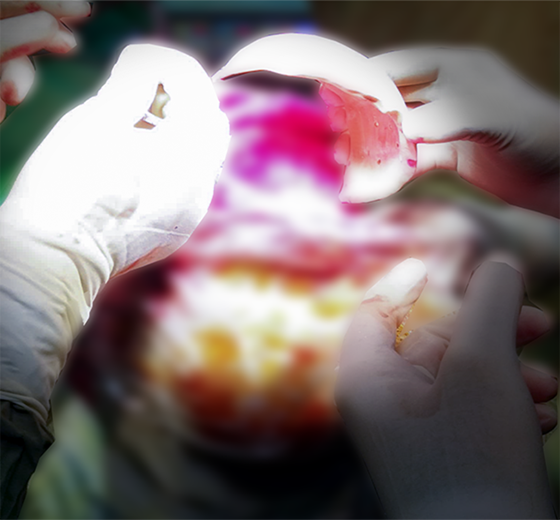
Cranium PEEK implant cases demonstrate the complete digital medical workflow: from CT imaging, 3D reconstruction and personalized prosthesis design, to PEEK 3D printing, post-processing and clinical implantation. Customized implants precisely match the cranial defect, restoring protective function with a natural post-operative appearance.
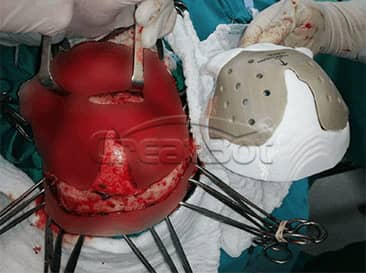
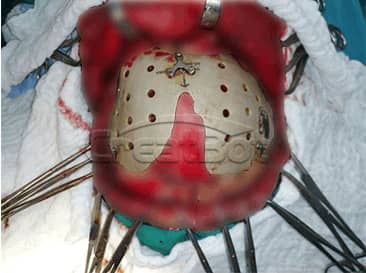
Lower Jawbone PEEK Implant
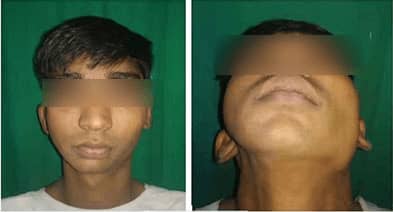
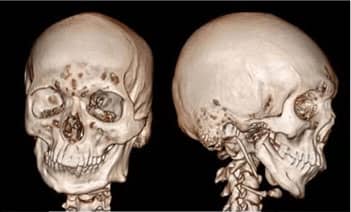
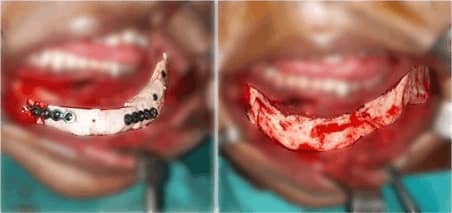
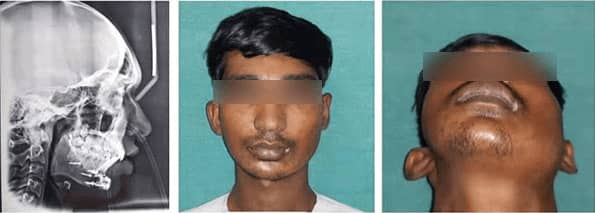
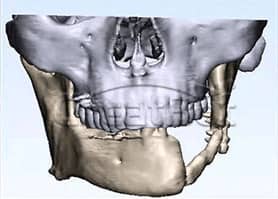
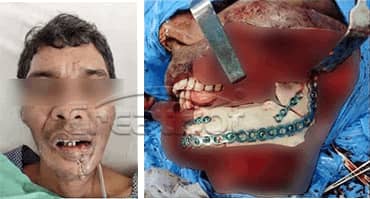
This step-by-step lower jawbone PEEK implant procedure covers pre-operative planning based on radiographic examination and 3D reconstruction, precise intra-operative fixation of the 3D printed PEEK implant guided by customized guides, and post-operative review of recovery. The fully digital, traceable process ensures surgical safety and reliable implant outcomes.



Lower Jawbone PEEK Implant
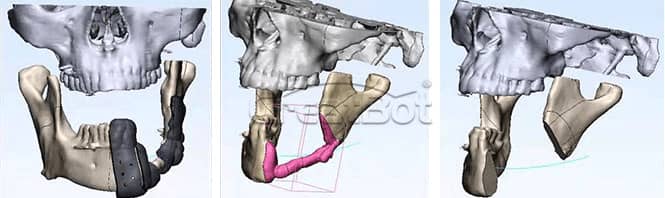
The lower jawbone PEEK implant workflow covers 3D pre-operative mandible planning, personalized surgical guide design, PEEK implant design and final fixation. Through digital design and 3D printing, the implant precisely matches the remaining mandibular structure, restoring occlusal relationships and facial contour — a reliable solution for complex mandibular defects.
Want to learn more about the printing capabilities of the CreatBot PEEK series?
Request a printed sample or a device demo to see how the CreatBot PEEK series applies to medical implantation, industrial manufacturing and other scenarios.
FAQ About PEEK Implants and the CreatBot PEEK Series
PEEK (polyether ether ketone) is a high-performance specialty engineering plastic with excellent biocompatibility, an elastic modulus close to human bone, and outstanding heat, radiation and chemical resistance. Compared with metal implants, PEEK implants have an elastic modulus closer to bone, which avoids stress shielding, and do not create metal artifacts in CT/MRI imaging — making them an ideal material for repairing hard tissue such as the skull and mandible.
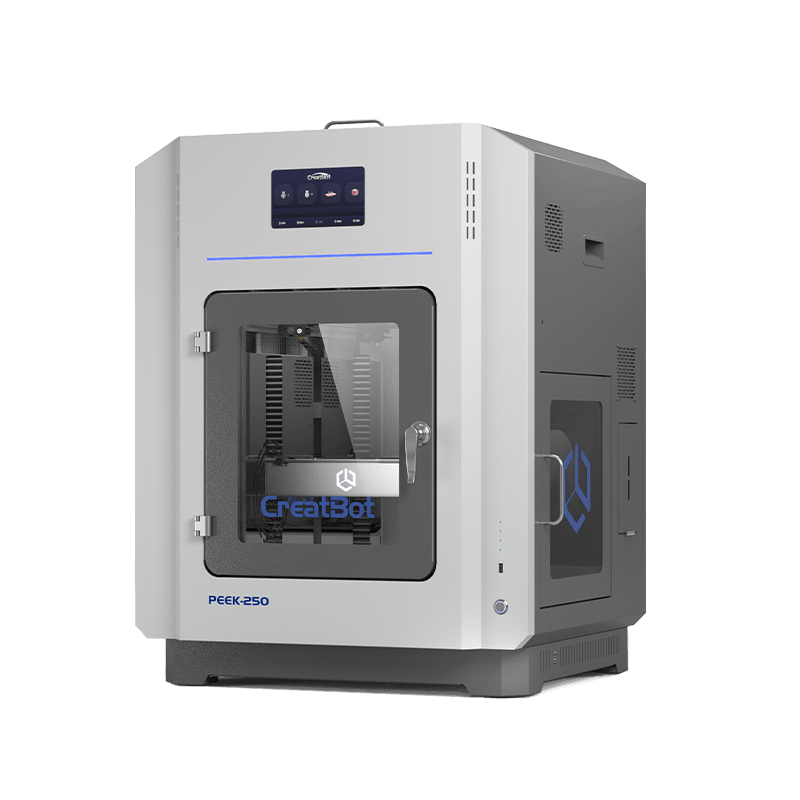
Yes. The CreatBot PEEK-250 and PEEK-300 are specifically designed for high-temperature engineering materials such as PEEK, with a maximum nozzle temperature of 500°C and a chamber temperature of up to 200°C, enabling stable printing of medical-grade PEEK. The heated enclosed chamber, all-metal hot end and high-flow extrusion system ensure strong interlayer bonding and dimensional accuracy for implant manufacturing.
The typical workflow is: CT/MRI scanning to capture patient data → 3D reconstruction and personalized implant design → slicing → PEEK 3D printing → post-processing (support removal, annealing, grinding and polishing) → cleaning and sterilization → clinical implantation. The entire process is digital and traceable.
CreatBot medical-grade PEEK implants comply with FDA, USP and ISO certifications and feature excellent biocompatibility. Since the first PEEK cranial implant surgery in 2016, more than 220 medical cases have been completed without any adverse rejection or infection.
Yes. PEEK offers excellent heat and hydrolysis resistance, so it can be sterilized by high-pressure steam autoclaving (121°C) or gamma irradiation, with mechanical properties and dimensional stability essentially unaffected after sterilization.
The CreatBot PEEK series is built specifically for high-temperature engineering materials such as PEEK, PEKK and PPSU. Compared with ordinary FDM printers, it offers higher nozzle/bed/chamber temperature limits, an all-metal hot end with water cooling, and a more stable heated chamber, significantly reducing warping and improving interlayer adhesion — a reliable choice for high-end applications such as medical implants.
Contact Us


Message
Application Fields
Quick Links
