
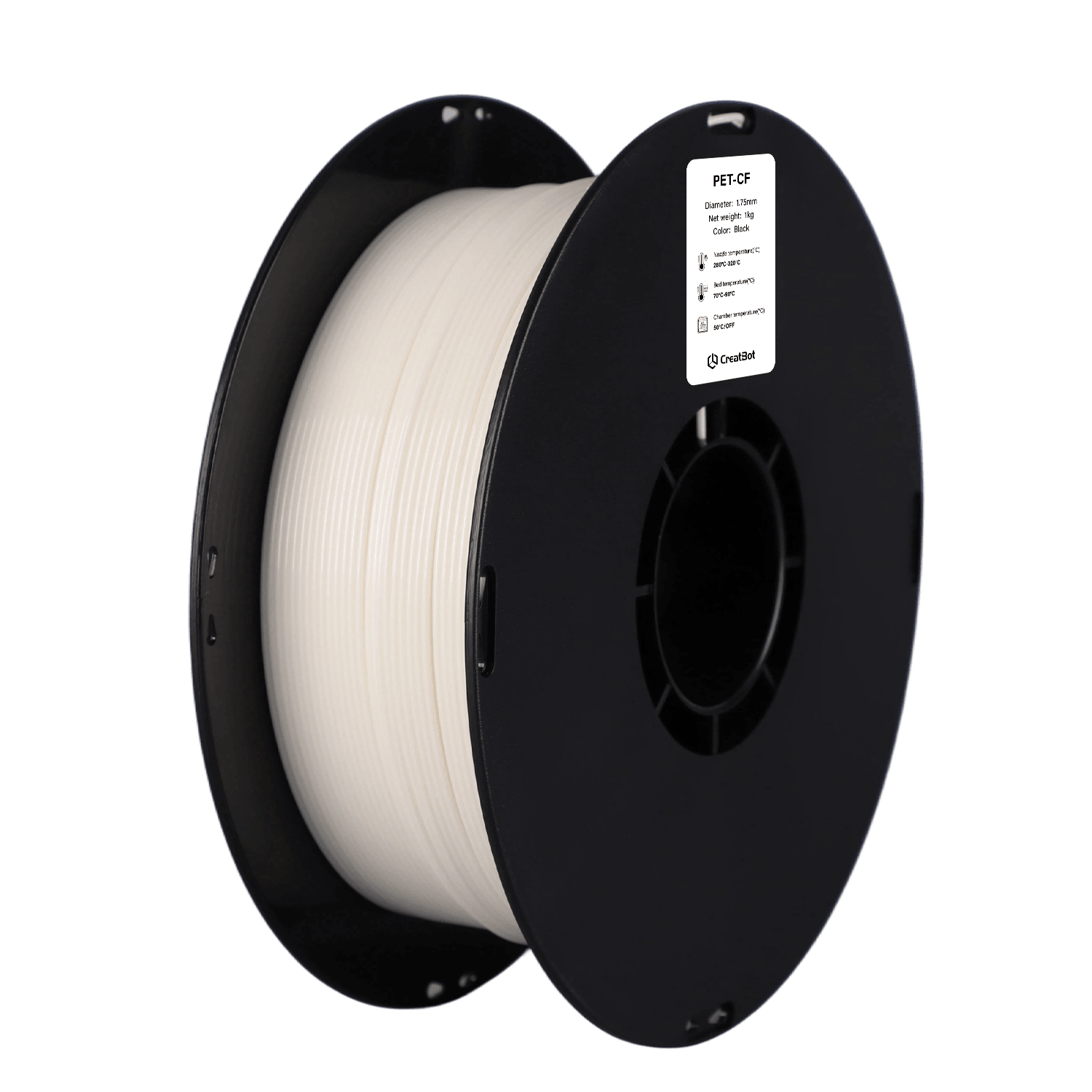
PETG
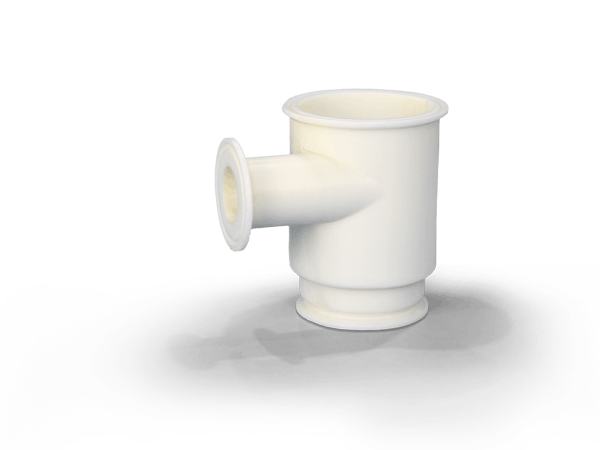
CreatBot PETG Filament Applications

Prototyping

Tooling & Fixtures

Enclosures

Medical Devices
PETG 3D Printing Filament Features



CreatBot PETG Print Preview
Advantages of Printing with CreatBot Filaments
Premium Raw Material Quality
Selected high-quality PETG resin to ensure the consistency and stability of material performance.
Factory Calibrated, Ready to Print
Formula tuning for the characteristics of PETG material, with built-in exclusive print parameters in slicing software.
Excellent Clarity & Chemical Resistance
PETG combines easy printing, high transparency, and good toughness with resistance to oils and weak acids/alkalis, ideal for functional prototypes, packaging, and transparent displays.
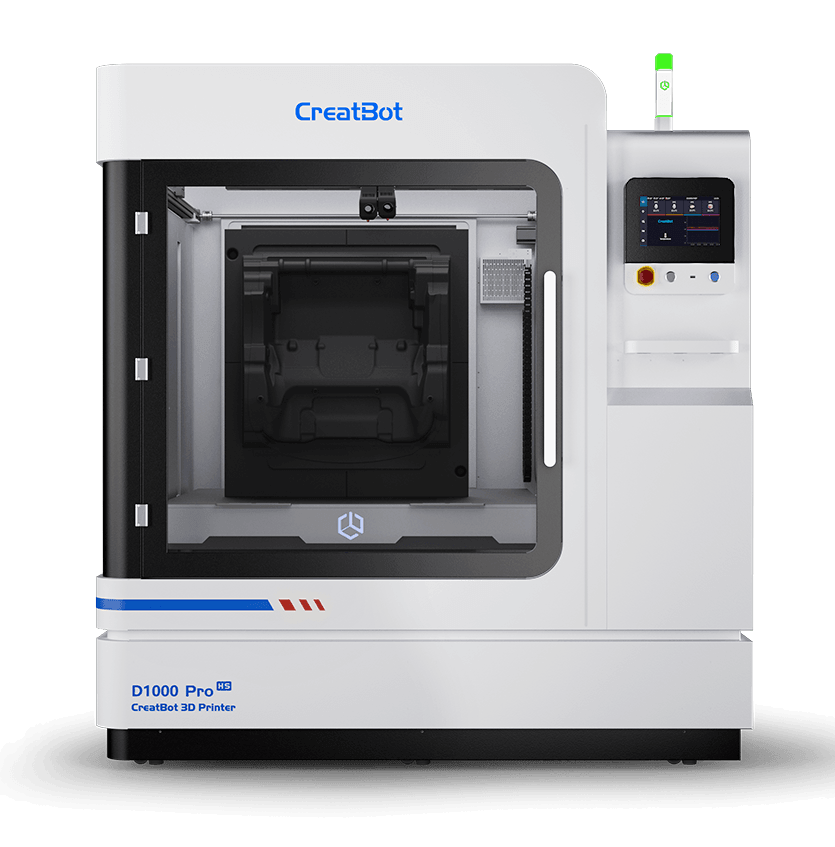
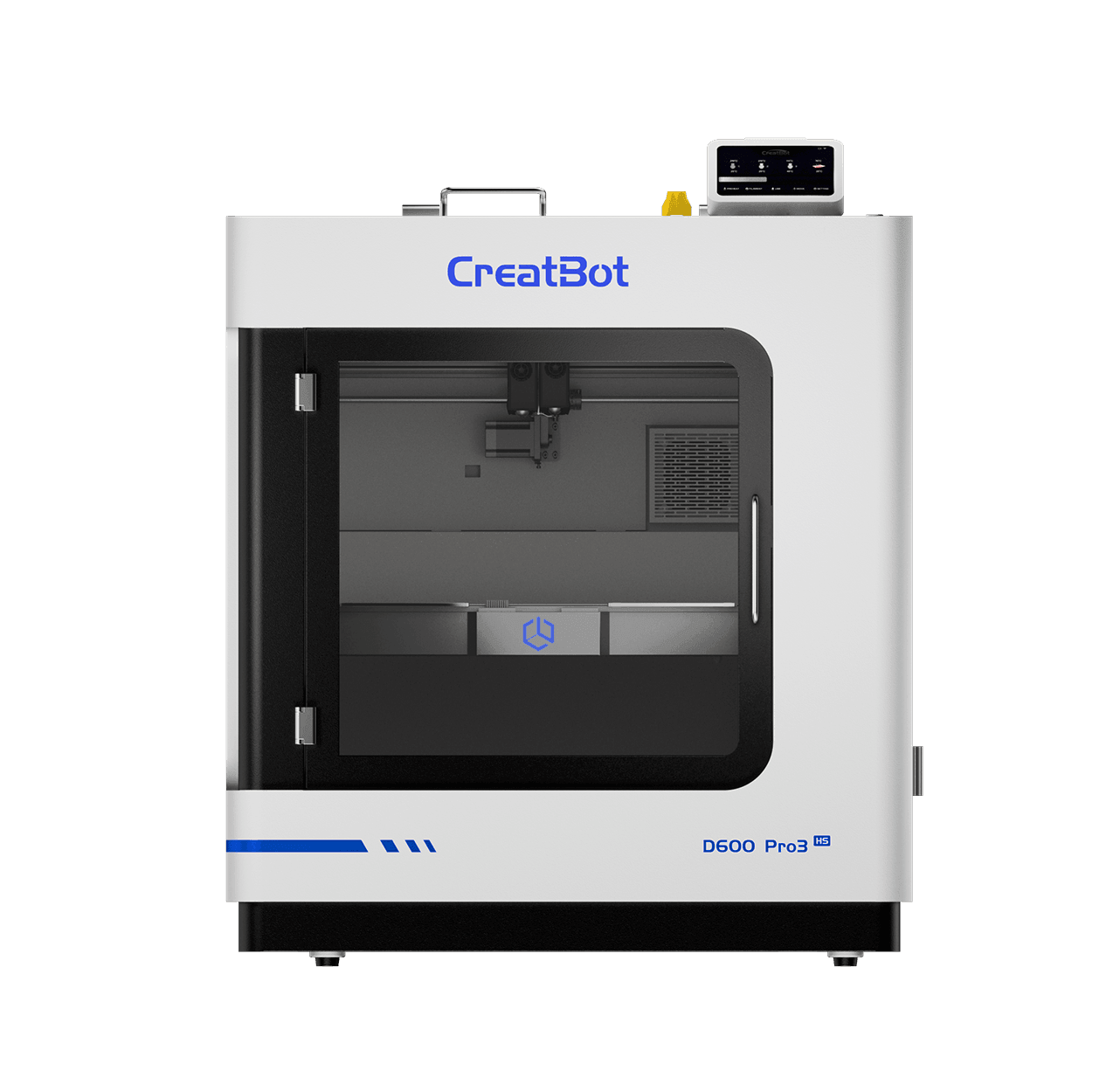
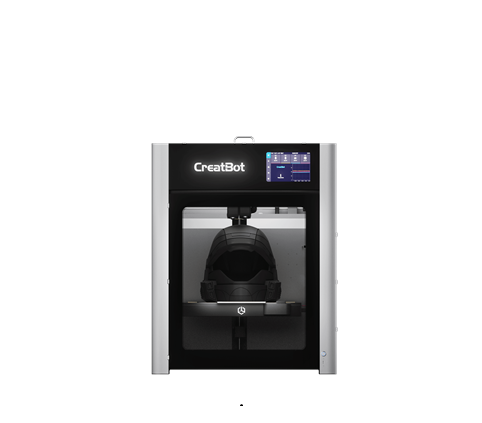
Supported 3D Printers
CreatBot industrial 3D printers are designed for high-performance materials. The following models feature heated chambers and high-temperature nozzles for professional-grade results.
Technical Data Sheet
| Physical Properties | Test Method | Data |
|---|---|---|
| Density | ISO1183 | 1.25g/cm³ |
| Saturation Water Absorption | 25℃,55%RH | 0.45% |
| Melt Flow Index | 240℃,2.16 kg | 22.6g/10 min |
| Melting Temperature | DSC,10℃/min | / |
| Vicat Softening Temperature | ISO 306,GB/T 1633 | 69℃ |
| Heat Deflection Temperature | ISO 75,0.45MPa | 71℃ |
| Mechanical Properties | Test Method | Data |
|---|---|---|
| Tensile Strength XY | ISO 527, GB/T 1040 | 50 MPa |
| Tensile Strength Z | ISO 527, GB/T 1040 | 34 MPa |
| Young's Modulus XY | ISO 527, GB/T 1040 | 2800 MPa |
| Young's Modulus Z | ISO 527, GB/T 1040 | 2560 MPa |
| Elongation at Break XY | ISO 527, GB/T 1040 | 9.6% |
| Elongation at Break Z | ISO 527, GB/T 1040 | 5.3% |
| Flexural Strength XY | ISO 178, GB/T 9341 | 76 MPa |
| Flexural Strength Z | ISO 178, GB/T 9341 | 56 MPa |
| Flexural Modulus XY | ISO 178, GB/T 9341 | 1980 MPa |
| Flexural Modulus Z | ISO 178, GB/T 9341 | 1730 MPa |
| Impact Strength XY | ISO 179, GB/T 1043 | 34.2 kJ/m² |
| Impact Strength Z | ISO 179, GB/T 1043 | 10.3 kJ/m² |
| Recommended Print Parameters | |
|---|---|
| Drying Conditions Before Printing | 70‑80℃,6‑8 H |
| Nozzle Temperature | 230‑260℃ |
| Nozzle Diameter | 0.4 / 0.6 / 0.8 / 1.0 mm |
| Print Bed Surface Treatment | 3D Printing Spray / PVP Glue Stick / Specialized Adhesive |
| Print Bed Temperature | 70‑90℃ |
| Chamber Temperature | / |
| Cooling Fan | ON |
| Print Speed | < 200 mm/s |
PETG Filament FAQ
PETG combines the ease of printing of PLA with the durability of ABS: 1) Compared to PLA: PETG offers better toughness, impact resistance, and heat resistance with a heat deflection temperature of 71°C; 2) Compared to ABS: PETG is easier to print, requires no heated chamber, has low shrinkage and less warping, plus better transparency; 3) Applications: Ideal for parts requiring toughness, chemical resistance, and clarity. Selection advice: Choose PLA for rigidity and ease of printing; ABS for heat resistance and strength; PETG for toughness, chemical resistance, and transparency.
Key parameters for PETG printing: 1) Drying: 70-80°C for 6-8 hours before printing to avoid bubbles and stringing; 2) Nozzle temperature: 230-260°C, too low causes poor layer adhesion, too high causes degradation; 3) Print speed: recommended <200mm/s; 4) Retraction: 2-5mm distance at 25-45mm/s; 5) Bed temperature: 70-90°C with spray adhesive or PVP glue stick; 6) Cooling fan: enable moderate cooling to improve overhangs and surface quality.
PETG offers good transparency with visible light transmittance over 90%, making it ideal for transparent enclosures, lamp covers, and display pieces. Post-processing options: 1) Support removal with diagonal cutters or craft knives; 2) Surface finishing with fine sandpaper (400-1000 grit) followed by polishing paste; 3) Annealing at 70-80°C for 30-60 minutes to improve dimensional stability and heat resistance, though transparency may decrease; 4) Bonding with PETG-specific adhesive or cyanoacrylate glue.
PETG has excellent chemical resistance to oils, weak acids, weak alkalis, and alcohols. Thermal properties: 1) Vicat softening temperature: 69°C; 2) Heat deflection temperature (0.45MPa): 71°C; 3) Glass transition temperature: approximately 80°C. PETG is more heat resistant than PLA but less than ABS and engineering plastics, suitable for functional parts and enclosures in moderate temperature environments.
PETG has some moisture absorption with a saturation rate of about 0.45% (25°C, 55%RH). Storage recommendations: 1) Unopened: store in a dry, cool place away from direct sunlight; 2) Opened: keep in sealed bags or dry boxes with desiccant; 3) Before printing: dry at 70-80°C for 6-8 hours to fully remove moisture and prevent bubbles, stringing, and rough surfaces.
PETG is suitable for various functional parts: 1) Functional prototypes combining strength and toughness; 2) Packaging containers with high transparency and chemical resistance; 3) Medical models with good biocompatibility; 4) Transparent display pieces such as lamp covers and display boxes; 5) Industrial accessories like protective covers, enclosures, and fixtures; 6) Consumer goods including phone cases, eyeglass frames, and toys.
More Materials
Contact Us


Message
Application Fields
Quick Links
